I design products that keep working when the expert isn’t in the room.
Since 2019 that has meant three kinds of expert: a clinician delivering a treatment, a machine-learning model reporting what it found, and most recently, my own design judgment.
The recurring problem
What connects them is calibrated trust — making modeled output usable without overstating what it knows.
Orita · 2025–2026
The model has to show its work
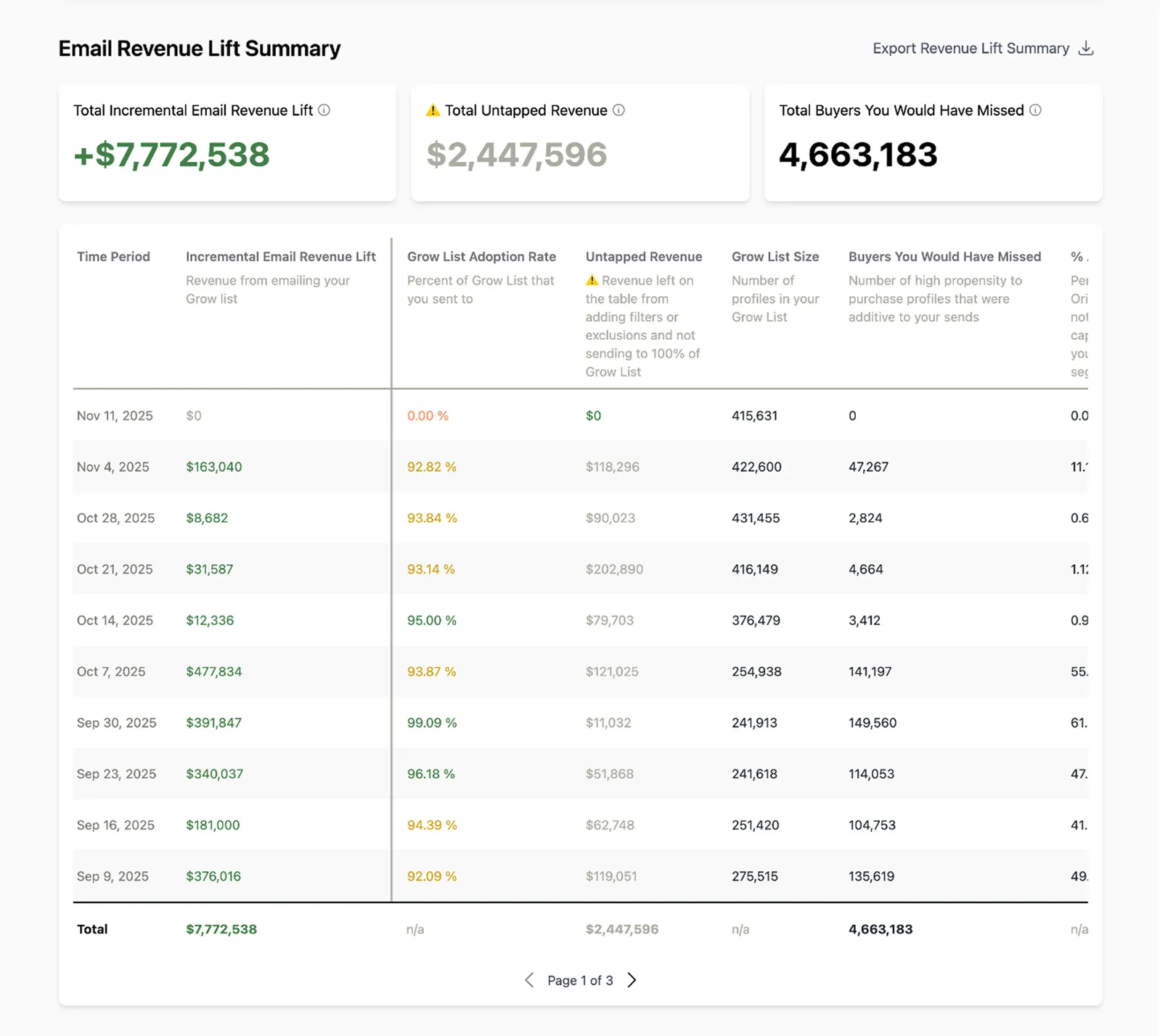
Orita’s model decides which customers a brand should stop emailing, and what revenue that protects. The output is statistical, and the people reading it are marketers. One agency principal I interviewed wouldn’t give her clients dashboard access at all; she screenshotted the parts she thought they’d follow into her own decks. Customers misread untapped revenue in the lift summary as revenue they’d earned. The design problem is making the interface explain its own numbers.
1234Lift-summary redesign, shippedShipped Sept 2025 · the before/after is in the case study
What changed, and why
Conditional formatting across the table, not one column: incremental lift in green; grow-list adoption green at 95% and above, yellow or red below it; untapped revenue green only at $0. Highlight the wins, flag the behavior that erodes them.
Untapped revenue greyed and flagged, so it stops reading as money already in hand — the specific misread CS watched happen.
A plain-language description under every column header. Plain language before math.
A totals row, because that was the number people were reconstructing by hand.
What I claim
ClaimSource
Customers misread untapped revenue; CS watched it happen while presentingdocumented
The team agreed it was a marked improvement on what existedrecollection
Whether it reduced the misreading in productionnot measured
In September 2026 an engineer checked the portal’s event logs: the summary has no event of its own, and the dashboard’s view event counts API calls, not page loads, so the data can’t say.
What I would have tracked: how often CS had to correct the reading mid-presentation, whether the untapped figure changed what a customer did next, and the count of “why is this number what it is” support conversations.
Documented rows have a dated artifact I can produce on request. Recollection is mine, undocumented.
Shipped — the lift-summary redesign·the Campaign Planner MVP, Mar 2026, opened by about three in five weekly-active customers by June
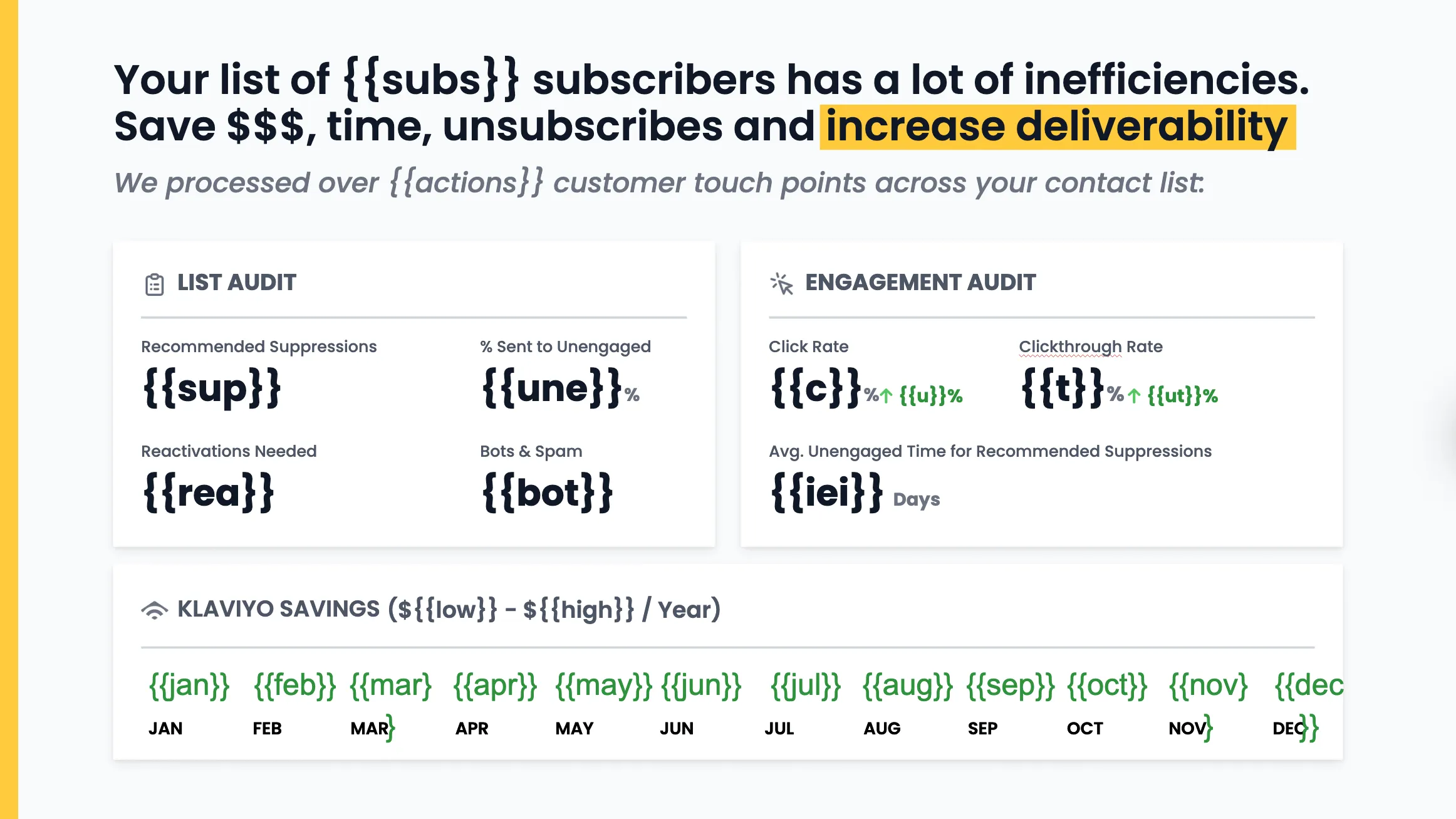
Sole designer at a startup where every deck and every brand surface routed through me. Hours were scarce — too many of them going to decks and to making the same corrections again and again — and taste was scarcer, because there was one of me. Over two years I turned my own judgment into infrastructure the team runs without me, and its slide output passes every check in my own brand audit. When the finished system started outperforming the tool I’d built along the way, I retired the tool.
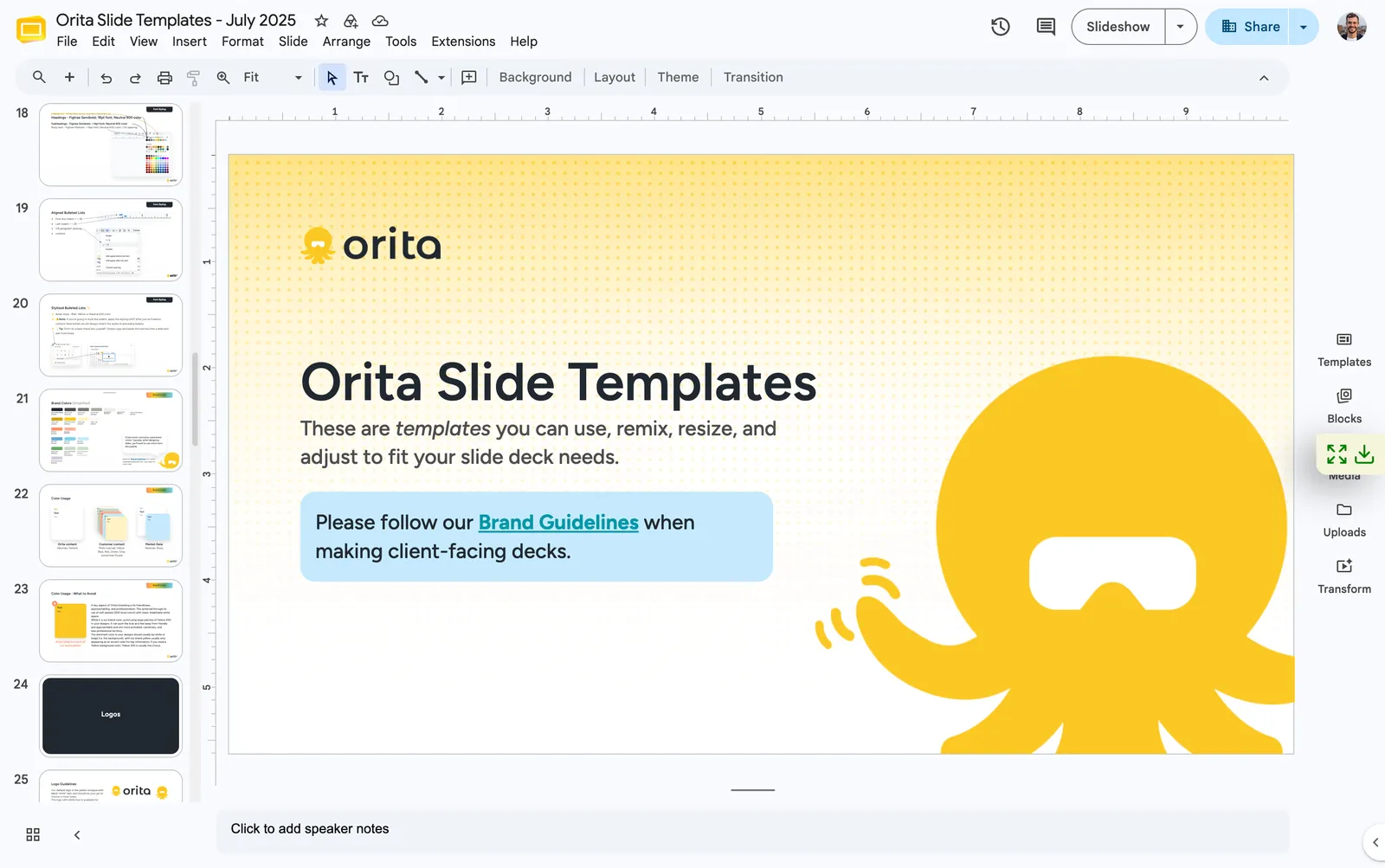
1 · TemplatesMaster–child deck system with dynamic pricing variables. 2024
2 · SystemTeam-wide slide templates plus a recorded tutorial. 2024–2025
3 · The skillorita-slide-design: generative slides with governance written in. 2026
4 · Org defaultThe brand as a tokens config and Claude Design system, Jul 2026; retiring the previous skill, Aug 2026
Shipped — the org-default system, 2026·the May 2026 workshop (teammates built their own AI skills the same day)·orita.ai/brand co-branding portal, July 2026
Biofeedback treats migraine, and it works. Almost nobody receives it, because the specialists don’t exist in anything like the numbers the condition needs. For two years, my job was taking the program our chief medical officer delivered in-person and making it work without her present: her pacing, and her refusal to let a bad session become the patient’s fault, had to survive in structure and copy.
~700certified headache specialists39,000,000people in the US living with migraine
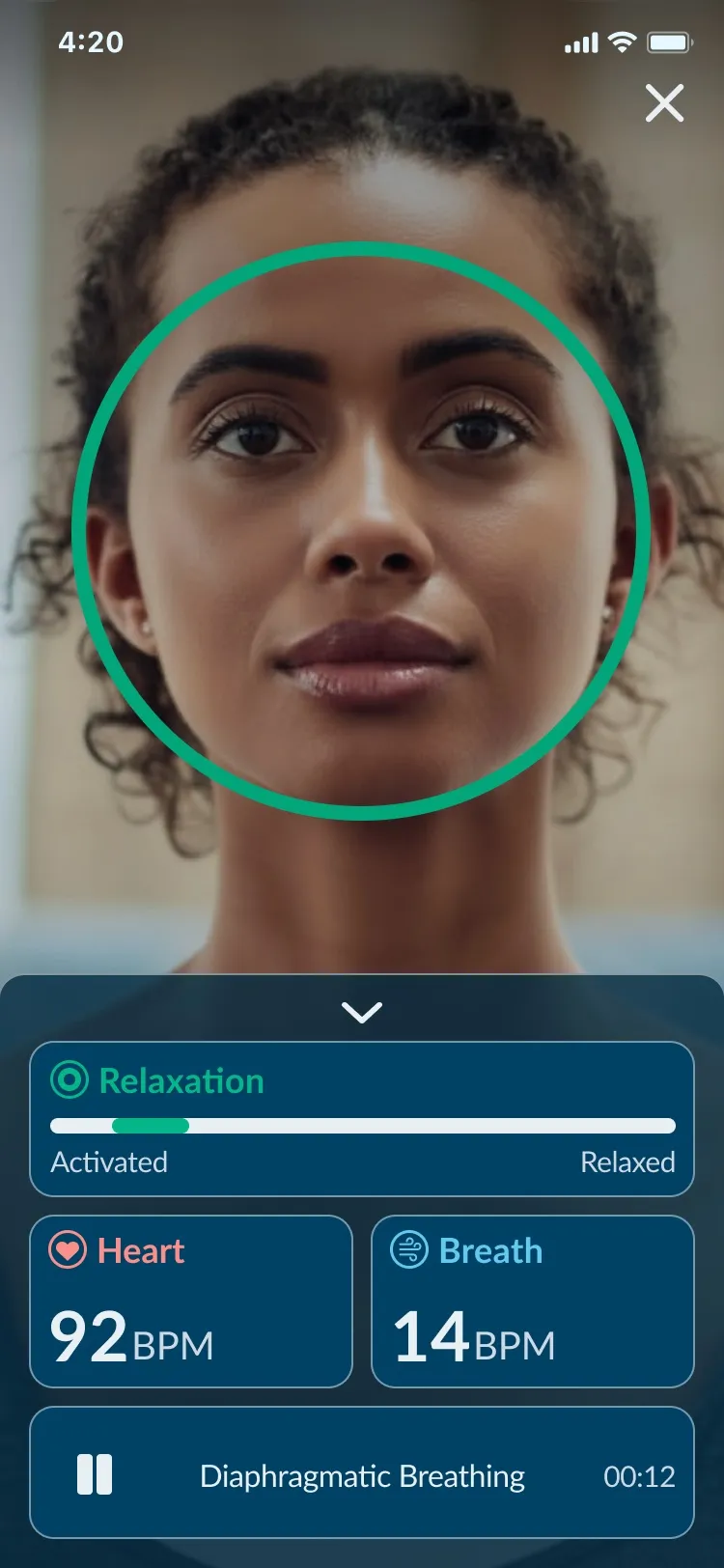
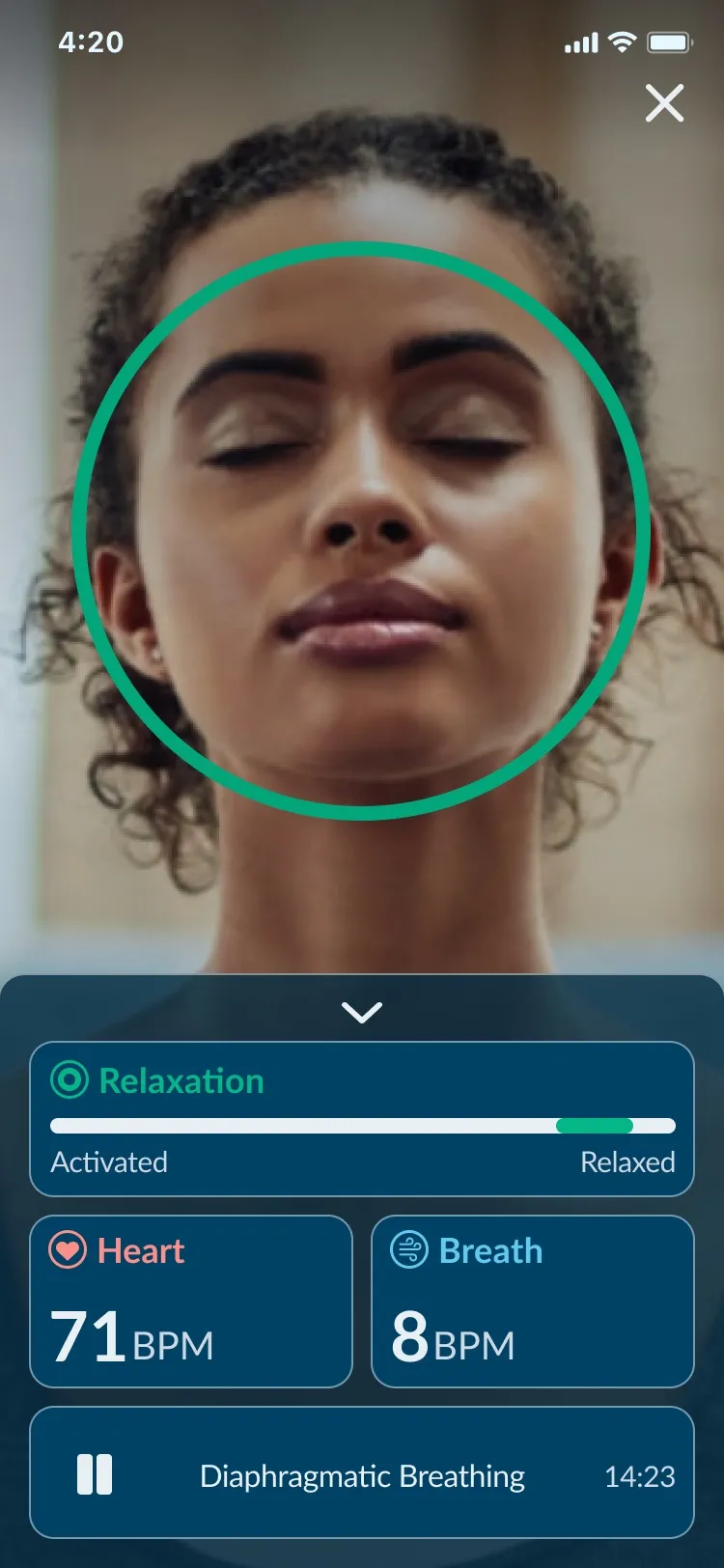
Near Activated, 92 BPMDesign-file state · 0:12 into the sessionNear Relaxed, 71 BPM — the same greenDesign-file state · 14:23 in
Role — Co-Founder, Product Design Leader·a four-person core team
Shipped — the app, June 2020·public launch, April 2021·the program (12 Week Plan), built from the files I handed over, Sept 2021
I’m a senior product designer with a decade in UX. Since 2019 I’ve worked as a co-founder and as a sole designer, which has meant owning the whole surface: a clinical mobile app, ML dashboards, design systems, brand, marketing sites, a physical kit that shipped in a box, and more.
Research is part of how I design, not a phase before it. At Juva that meant a two-week beta whose readout led with what didn’t work; at Orita, a UX audit, a card sort, a competitive teardown, and interviews with colleagues and agency users. The questions are the same on every surface: what the business needs it to do, what the person in front of it needs, and what it has to fit into. Since 2024 I’ve augmented the practice with AI, most recently an agent pipeline I built and operate that mines customer conversations into design-relevant themes every week. Some of that practice runs on weekends. fun.johnbrodish.com collects what I’ve built with AI in my own time; a couple of those started as work problems and kept going after the work stopped.
Also — Artorii, independent practice, 2021–·Secret Foundation, creative direction, 2021–2023·Rotary International·Advicent·APCO Worldwide·freelance UX and UI, 2015–2021·General Assembly UX Immersive, 2015·Lehigh University, B.A. Political Science & Economics·NN/g UX Management certificate
 1 · Templates
 2 · System
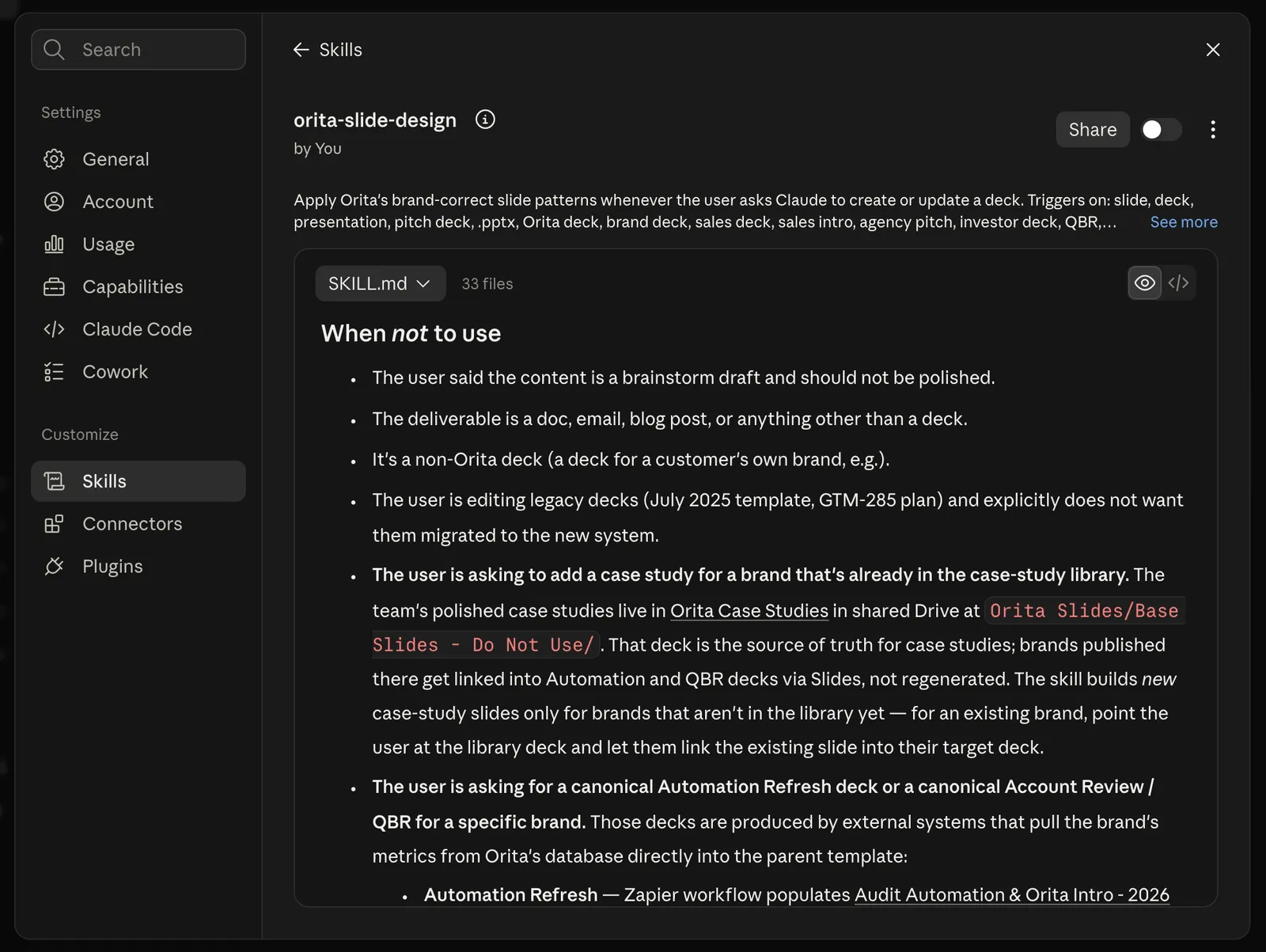 3 · The skill
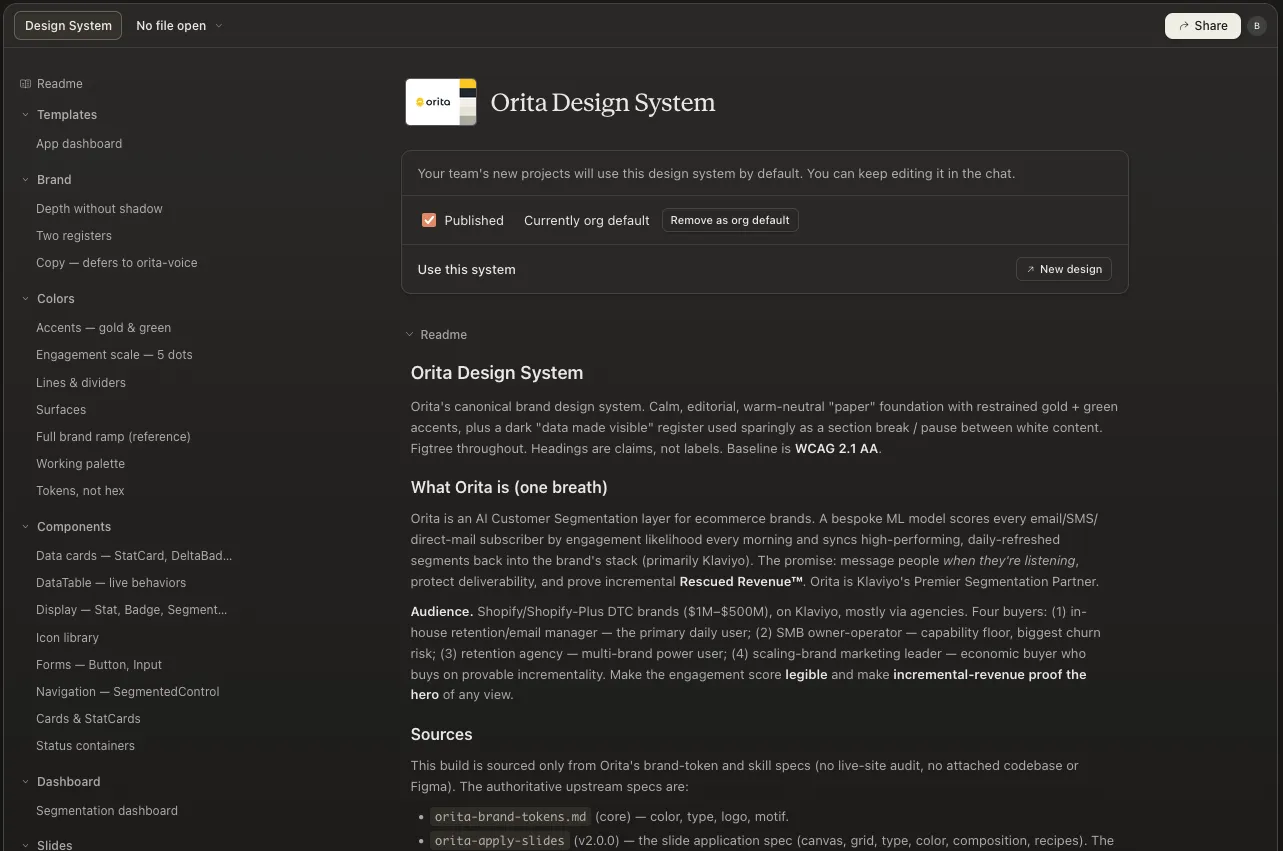 4 · Org default